About Meghalaya
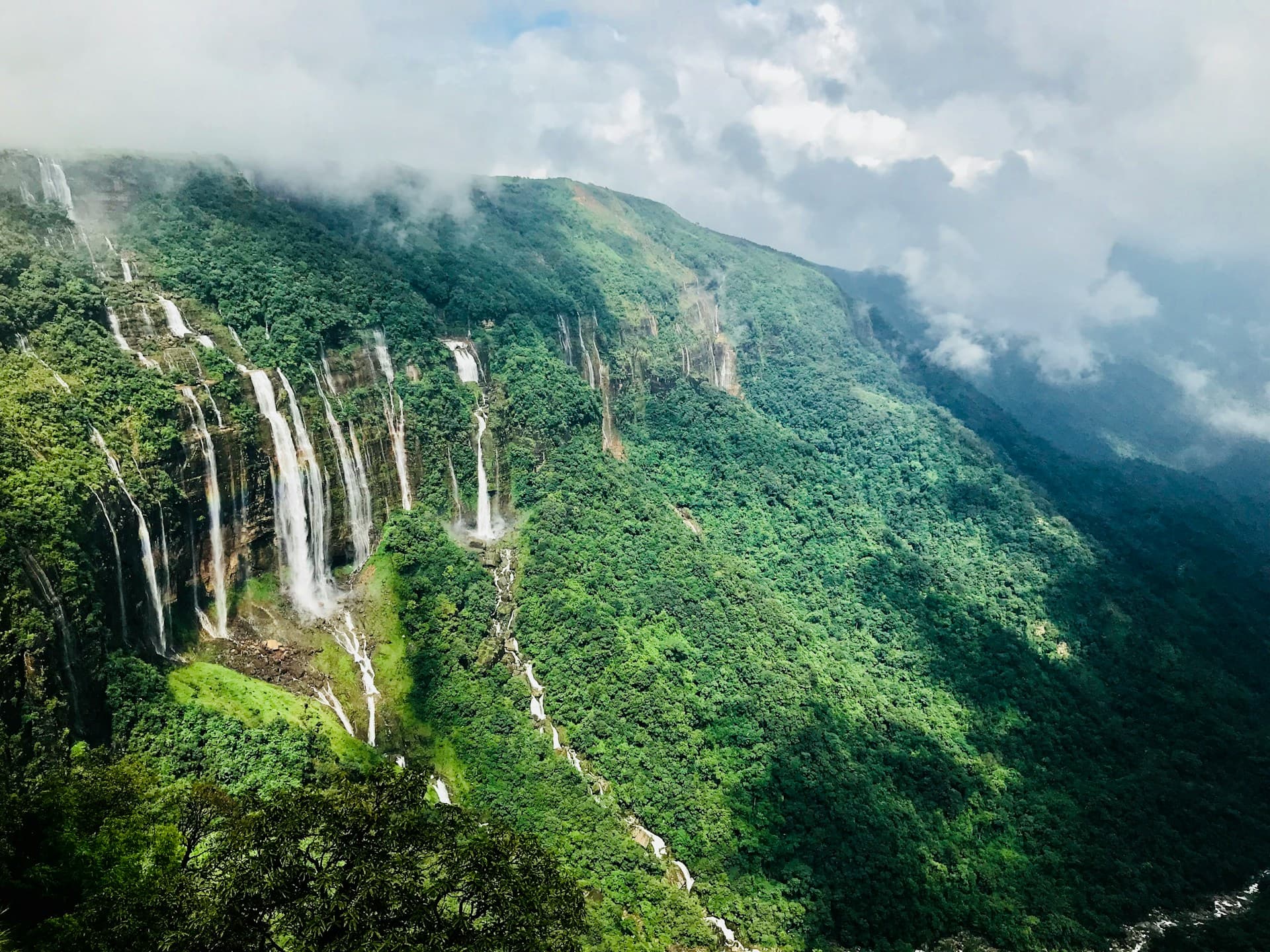
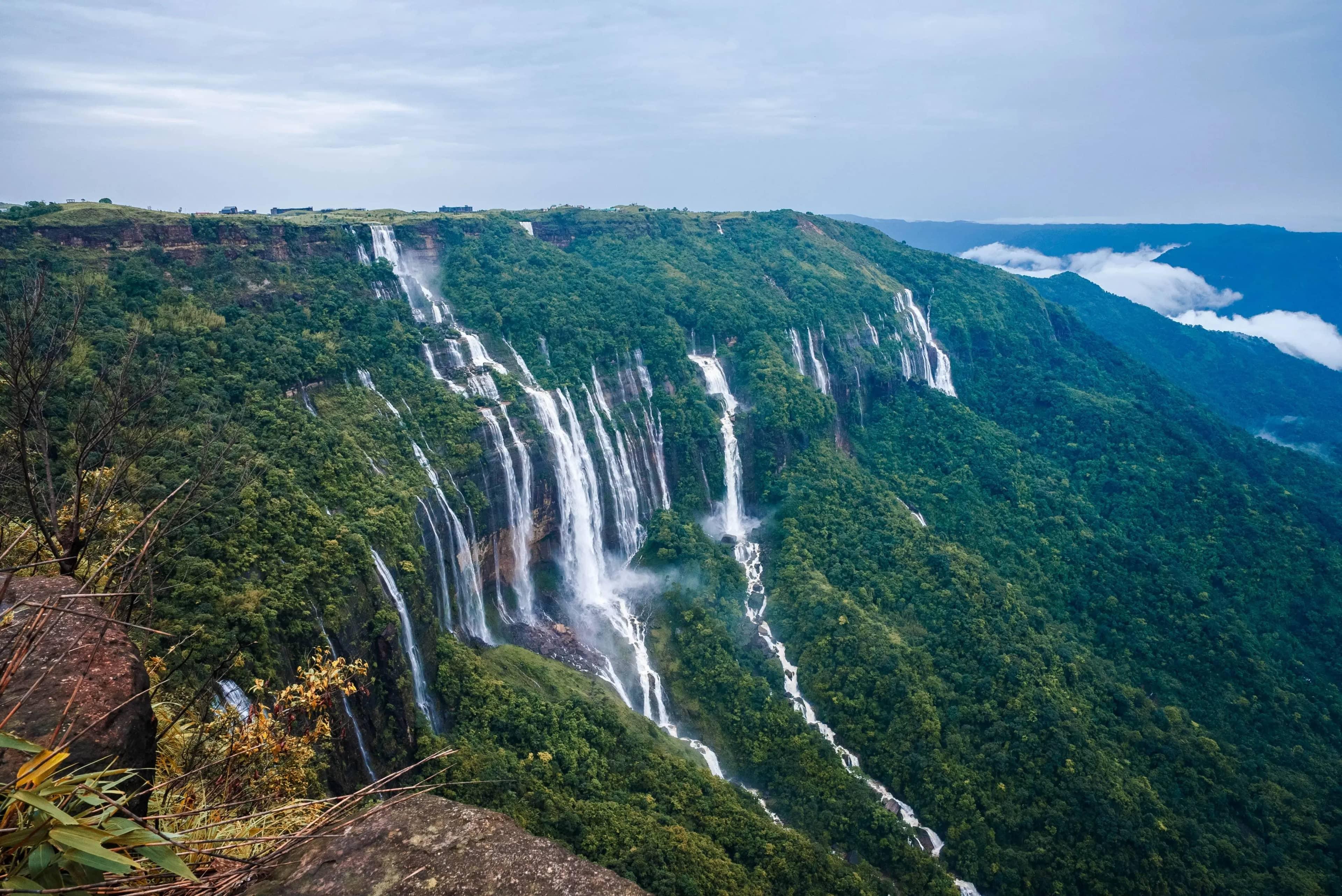
Meghalaya means "abode of clouds" in Sanskrit, and the moment you arrive, you understand why. This northeastern state sits on a plateau where mist clings to pine forests, waterfalls plunge dramatically into emerald valleys, and the landscape shifts every few kilometers. Our Meghalaya tour packages are designed for travelers who want to escape crowded circuits and experience something genuinely different — lush hills, ancient cave systems, tribal villages, and some of the world's highest rainfall zones that create otherworldly green scenery.
The state appeals to everyone. Families enjoy the easy accessibility of major attractions like Cherrapunji and living root bridges. Couples find romance in misty viewpoints and quiet homestays. Solo travelers discover genuine hospitality in small towns and freedom to trek at their own pace. Adventure seekers tackle caving, rock climbing, and multi-day treks. Even if you're just looking for a break from city heat, Meghalaya's cool climate and clean air deliver that reset button you need.
Best Time to Visit Meghalaya
October to November (autumn): This is peak season. Days are clear, temperatures sit around 20–25°C, and rainfall is minimal. Visibility at viewpoints like Khasi Hills is excellent. Book accommodations early as prices rise and rooms fill quickly.
December to February (winter): Cool and dry, with temperatures dropping to 10–15°C at higher elevations. Nights can be cold, sometimes touching 5°C. This is still a good time to visit, with fewer crowds than autumn. "Meghalaya in December" attracts visitors seeking cool weather without monsoon concerns. Prices dip during January-February as off-season rates kick in.
March to May (summer): Warm but pleasant, averaging 22–28°C. The landscape remains green from winter rains. Fewer tourists means better deals on Meghalaya tour packages. However, some areas start getting occasional rain by May.
June to September (monsoon): Meghalaya receives extraordinary rainfall — Cherrapunji averages over 10 meters annually. Roads can become slippery, some treks get cancelled, and visibility drops. That said, the waterfalls are at their most powerful and the hills are impossibly green. If you enjoy solitude and don't mind wet conditions, monsoon offers unique beauty at lower prices. Many travelers skip this season entirely.
How to Reach Meghalaya
The state's main entry point is Shillong, the capital. There's no direct international airport, so most travelers fly to Kolkata and then travel overland or take connecting flights.
- By Air: Shillong's Shillong Airport (SHL) has limited flights. Most travelers fly to Kolkata's Netaji Subhas Chandra Bose International Airport (CCU) — approximately 500 km from Shillong — then rent a car or take a bus. Flight time Kolkata to Shillong is under 1 hour when available. From Delhi, fly to Kolkata first (around 2 hours).
- By Rail: The nearest major railway station is Guwahati (around 200 km from Shillong), served by trains from Delhi, Kolkata, and other Indian cities. From Guwahati, hire a taxi or take a shared cab to Shillong — roughly 3.5 to 4 hours by road.
- By Road: If you're in Assam, Meghalaya is easily accessible. The drive from Kolkata to Shillong takes 18–20 hours (roughly 600 km). NH6 and NH44 are the main routes. Road conditions are generally good during non-monsoon seasons.
- By Bus: Regular bus services connect Kolkata, Guwahati, and other northeastern towns to Shillong and other Meghalaya cities.
No special permits are required for Indian citizens. Foreign nationals don't need restricted area permits for the main tourist zones, though it's wise to check current regulations before traveling.
Places to Visit in Meghalaya
- Cherrapunji: Famous for extreme rainfall, this town offers panoramic viewpoints, waterfalls, and the living root bridges in nearby Nongriat village.
- Khasi Hills: Green hills around Shillong with trekking trails, viewpoints like Shillong Peak, and small villages showcasing local life.
- Dawki and Umngot River: Crystal-clear river with glass-bottomed boat rides and stunning limestone cliffs. Around 80 km from Shillong.
- Mawlynnong: Known as Asia's cleanest village, it's a small tourist destination with waterfalls and local homestays.
- Jaintia Hills: Less crowded than Khasi Hills, featuring limestone caves, waterfalls, and indigenous Jaintia tribal culture.
- Garo Hills: Wild and forested, this western region offers wildlife spotting, trekking, and tribal homestays.
- Shillong: The capital has colonial architecture, local markets (Ward's Lake area), and serves as a base for exploration.
- Mawsmai Cave: A limestone cavern with stalactites and stalagmites, easily accessible from Cherrapunji.
Things to Do in Meghalaya
- Trek to living root bridges: Multi-day hikes to Nongriat in Khasi Hills where locals have shaped tree roots into bridges over centuries.
- Cave exploration: Visit Mawsmai Cave, Krem Phyllut, and other limestone formations. Some require basic climbing equipment.
- Waterfall visits: Nohkalikai Falls (Asia's tallest), Dainthlen Falls, and seasonal cascades throughout the state.
- River activities: Glass-bottomed boating on Umngot River, swimming in natural pools, and kayaking in calm stretches.
- Stay in tribal villages: Homestays in Garo Hills and Jaintia Hills offer authentic meals and insights into local customs.
- Photography: Sunrise at viewpoints, misty landscapes, and cultural moments provide endless subjects.
- Local market exploration: Shillong's Iewduh Market and smaller town bazaars sell local crafts, honey, and spices.
- Rock climbing and rappelling: Adventure outfitters in Shillong organize climbing expeditions on sandstone faces.
Travel Tips for Meghalaya
- Pack layers and waterproof gear: Even during dry seasons, mornings and evenings are cool. A rain jacket is essential year-round. Meghalaya's rainfall can surprise you even outside monsoon months.
- Roads are winding: Travel times are longer than you'd estimate from a map. A 100 km journey can take 3–4 hours due to hills and curves. Start early and allow extra buffer time.
- Mobile connectivity varies: Shillong and major towns have good 4G. Remote villages may have only 2G or no signal. Inform people of your plans before venturing into rural areas.
- Respect local customs: Meghalaya is predominantly Christian, with significant Khasi, Jaintia, and Garo tribal populations. Dress modestly in villages. Ask permission before photographing people or sacred sites.
- Currency and ATMs: Indian Rupees are the only currency. ATMs are available in Shillong and major towns, but not in remote villages. Carry cash for small purchases.
- Hire a local guide: For treks and cave visits, local guides improve safety and add context. They're inexpensive and often